
Silk Cocoon Embroidery: Handcrafted Elegance from Cyprus
Discover a rare Mediterranean art that transforms nature into sculpture. Inspired by the centuries-old tradition of Silk Cocoon Embroidery (Koza İşi) from Cyprus, each piece is a celebration of heritage, sustainability, and artisan mastery.
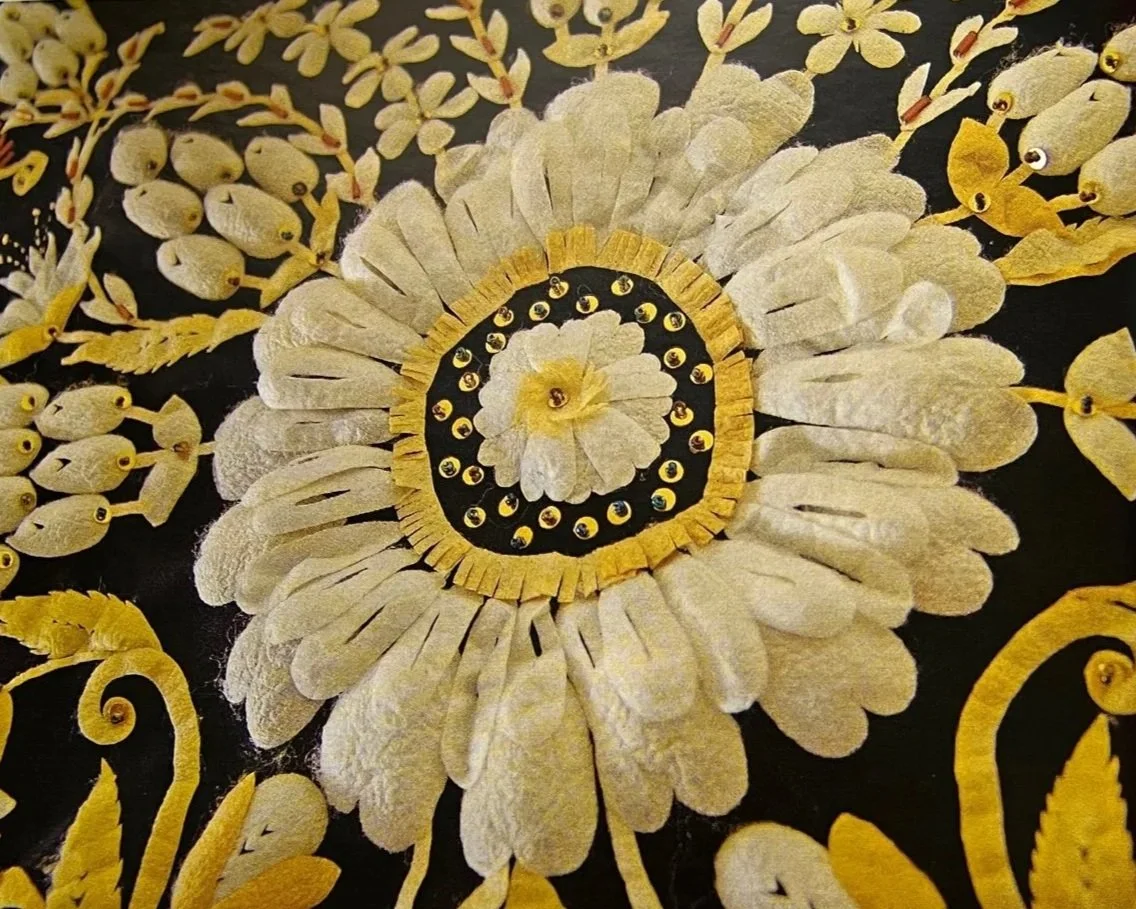
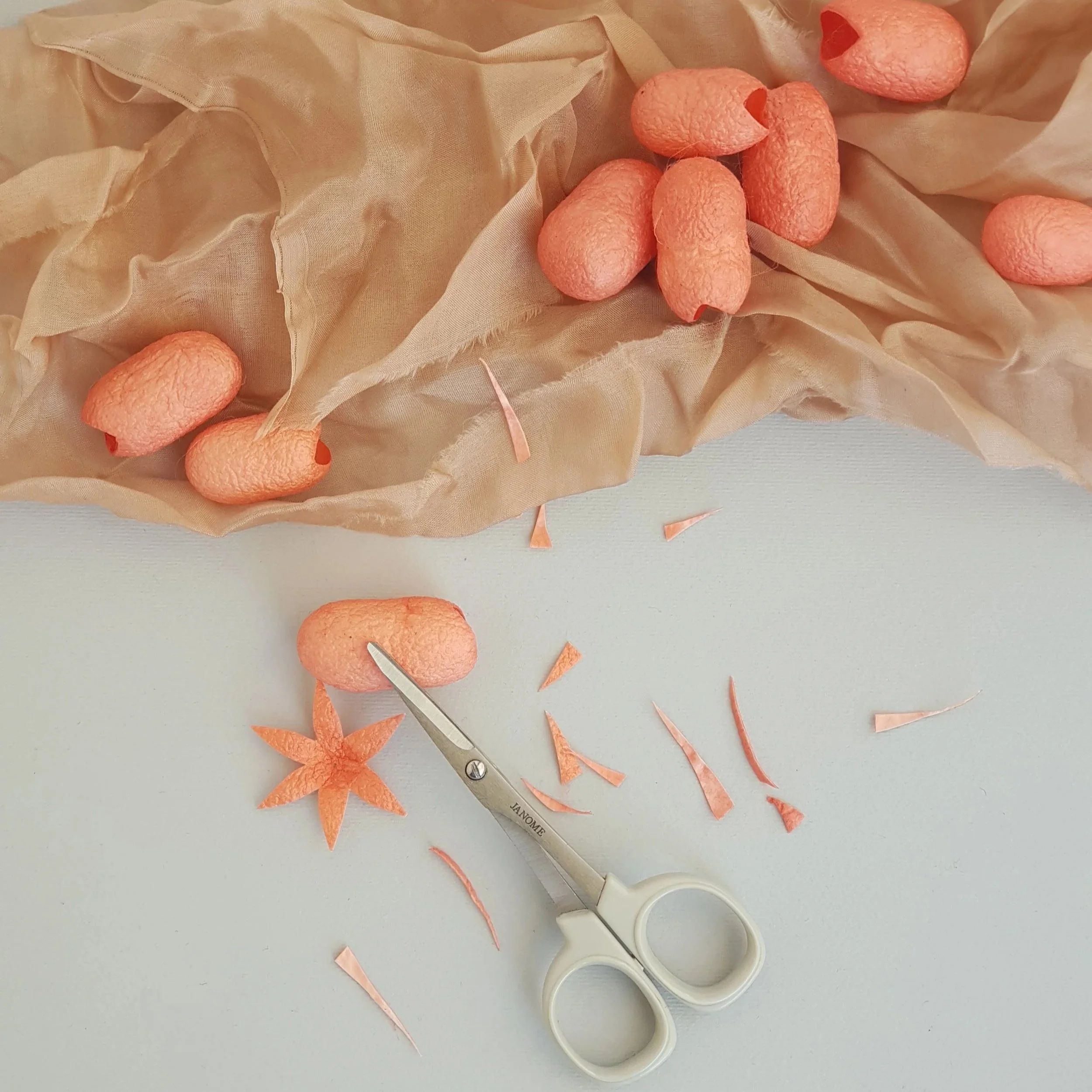
The Craft
Every motif begins with a natural silkworm cocoon, softened and flattened without harming the silkworm, reflecting a truly eco-conscious practice. Artisans then hand-cut petals, leaves, birds, and flowing shapes, embellishing them with fine threads, beads, and sequins before stitching them onto luxurious linen, cotton, or velvet.
The result is three-dimensional, luminous silk art — delicate, structured, and timeless.
Heritage & Storytelling
Originating in the 19th century, this craft was traditionally practiced by young Cypriot girls as a way to earn extra income for their households. Some works even featured framed images of family, partners, or loved ones, making each piece deeply personal. The natural silk never deteriorates, preserving sentiment, beauty, and craftsmanship for generations.
Today, Silk Cocoon Embroidery resonates with modern audiences as a true expression of sustainable luxury. The materials are natural, ethically sourced, and designed to last for generations. Each piece reflects the expertise of skilled artisans, meticulously handcrafted to ensure that no two are alike. This is a rare craft — very few artisans continue to practice it today. My grandmother, Munuse Ozmulla, is one of these masters, a recognized artist whose works have been featured in numerous exhibitions and sold worldwide. My mother continues the tradition as well, breeding silkworms every spring and preparing the silk herself, ensuring that each motif is crafted with the same care, authenticity, and intimacy passed down through generations. I am deeply connected to this heritage, having learned it from them, making me the fourth generation to carry this tradition forward. Rooted in centuries of Cypriot culture, Silk Cocoon Embroidery carries profound cultural depth, connecting contemporary design to the Mediterranean’s rich artistic heritage. Its timeless elegance makes it perfect for modern weddings, couture fashion, or heirloom decor, offering a rare combination of beauty, history, and enduring craftsmanship.
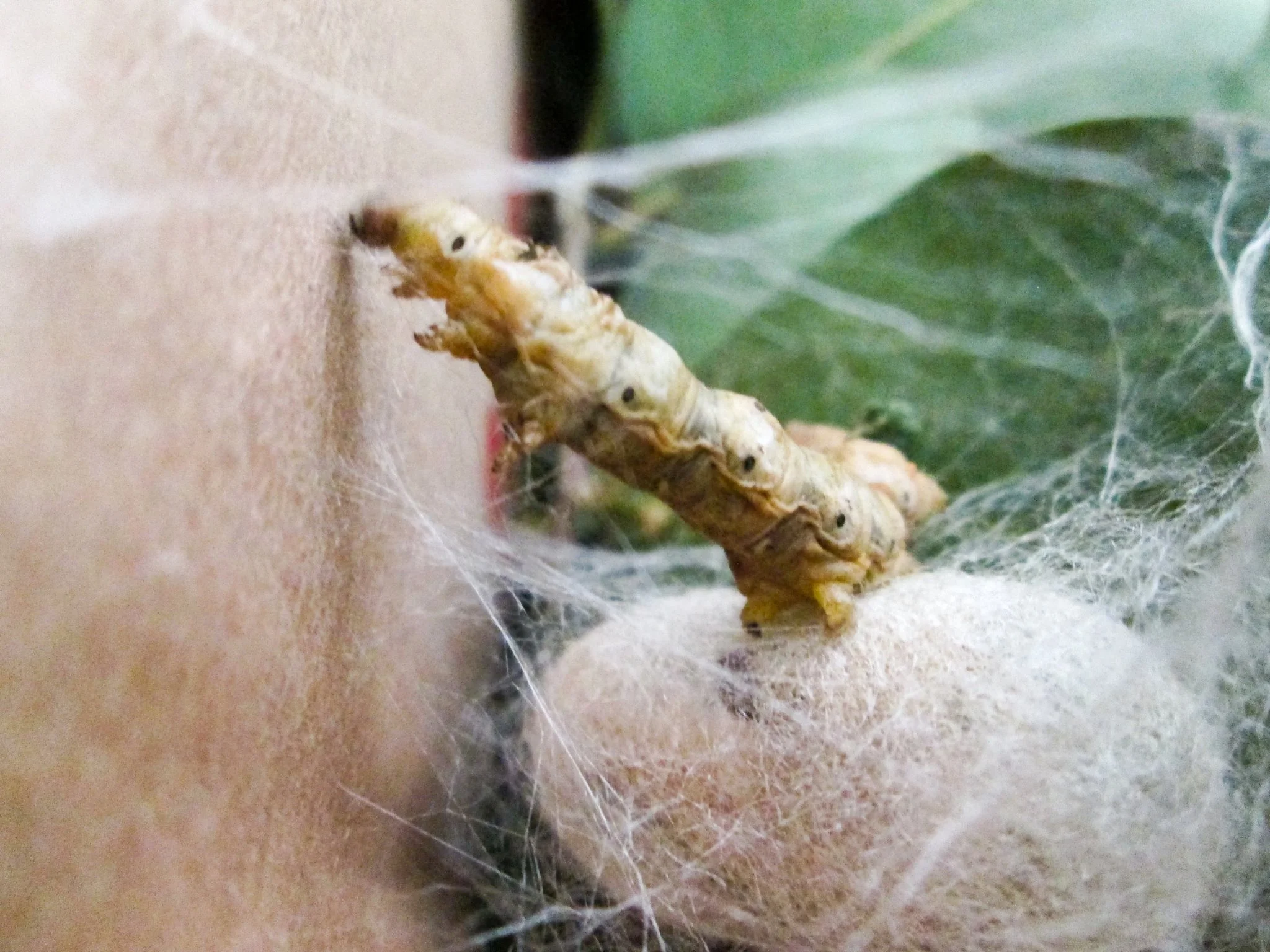
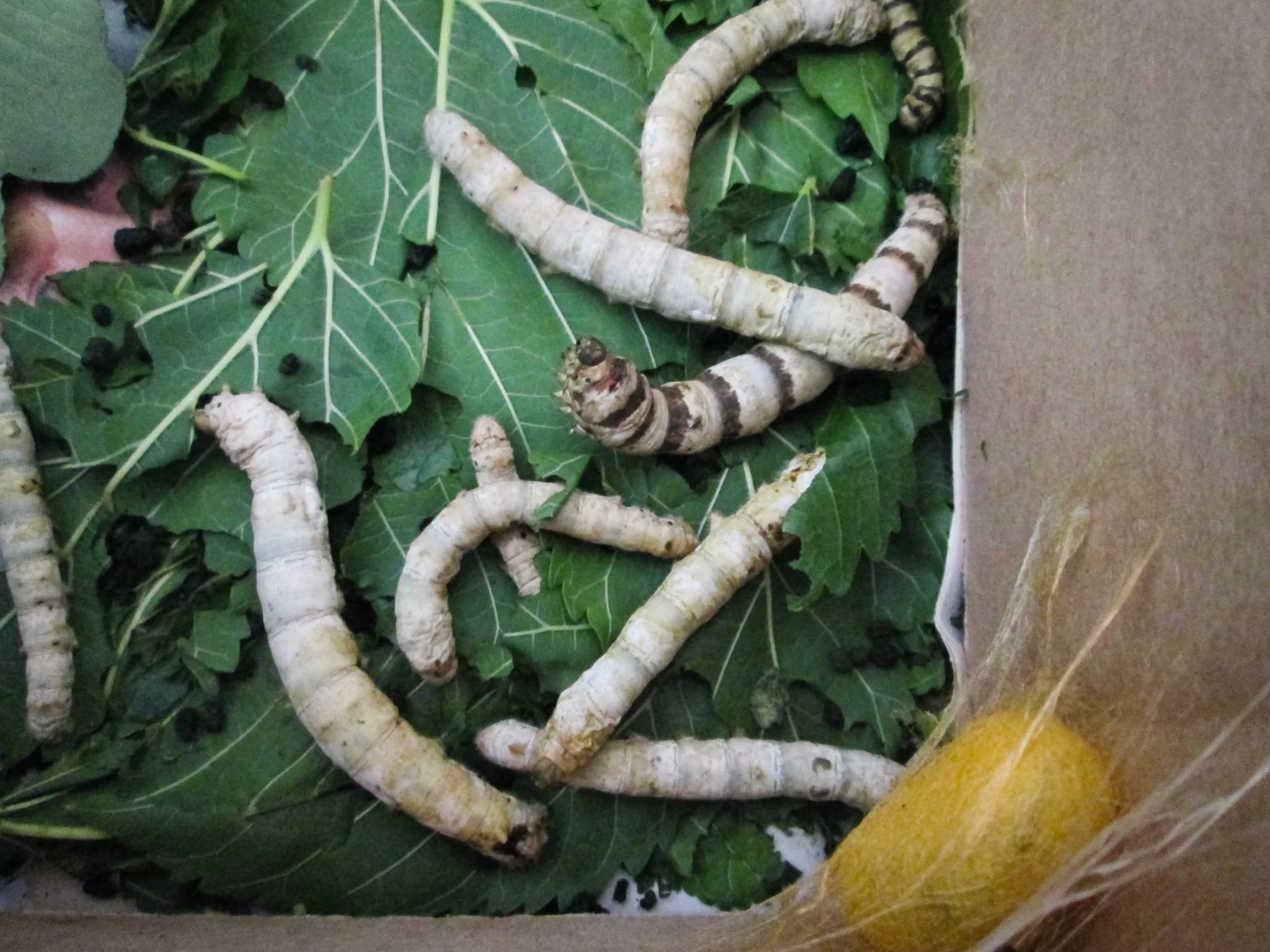
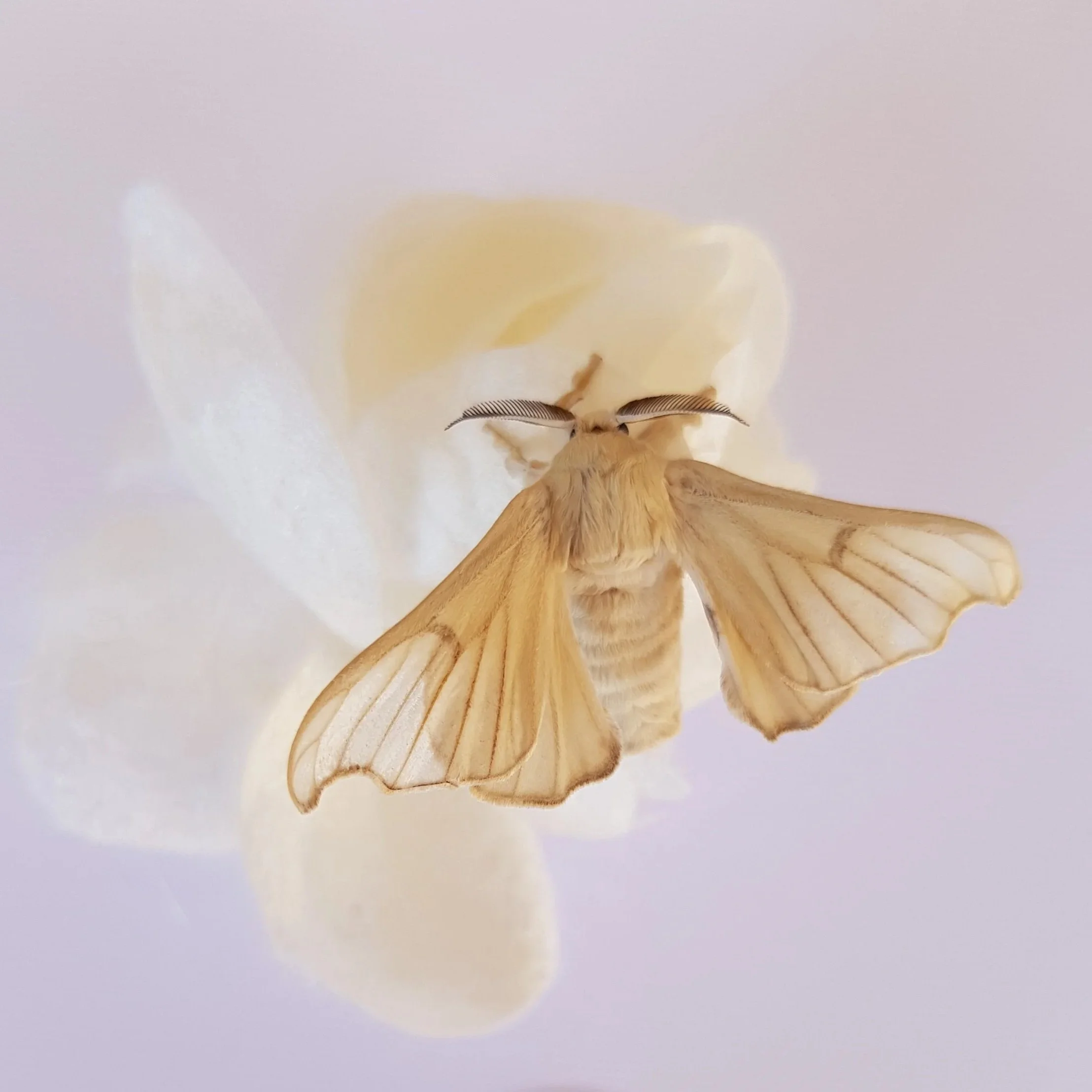
A History Woven in Silk and Legacy
Silk has been present in Cypriot life for centuries. The island’s ideal climate — warm, dry, and rich in mulberry trees — made it a place where silkworms thrived, feeding on mulberry leaves and spinning luminous cocoons. Sericulture (the cultivation of silkworms) and silk production are documented as weaving themselves into Cypriot daily and economic life as early as the Byzantine era — long before the industrial revolution reshaped textile production across Europe.
While broad silk weaving and loom work once flourished throughout the island, one of the most imaginative adaptations of this material was Koza İşi: a folk art dating back at least to the 19th century and continuing into the early 20th, especially in rural regions like the Karpaz Peninsula.
Parallel to this was another celebrated Cypriot textile tradition — Lefkara lace, with roots stretching back to at least the 14th century — recognised for its intricate cutwork and included on UNESCO’s Intangible Cultural Heritage list in 2009.
But while Lefkara lace became internationally known, Koza İşi remained a quieter treasure — one that whispered of daily rituals, resilient households, and feminine skill passed down through generations.
The Craft: Sculpting Silk From Nature
At its heart, Silk Cocoon Embroidery is a testament to transformation — both of materials and meaning.
The process begins with the silkworm cocoon:
Sustainable & Eco‑Sensitive: Traditional artisans did not kill the silkworms intentionally for decoration; instead, only cocoons no longer needed for thread production were used, making it a precursor to modern sustainable craft sensibilities.
Material Preparation: Each cocoon is meticulously opened, softened, and flattened into a delicate yet firm surface that retains silk’s natural sheen.
Motif Creation: The artisan cuts organic forms — petals, flowers, birds, leaves, ornate frames — entirely by hand.
Embellishment: Tiny beads, sequins, and fine needlework accentuate motifs — adding light, texture, and definition — before the pieces are anchored onto high‑quality linen, cotton, or velvet cloth.
Unlike flat, thread‑based embroidery, these handcrafted elements create a three‑dimensional relief — silk sculpted into art that lives between dimensionality and delicacy.